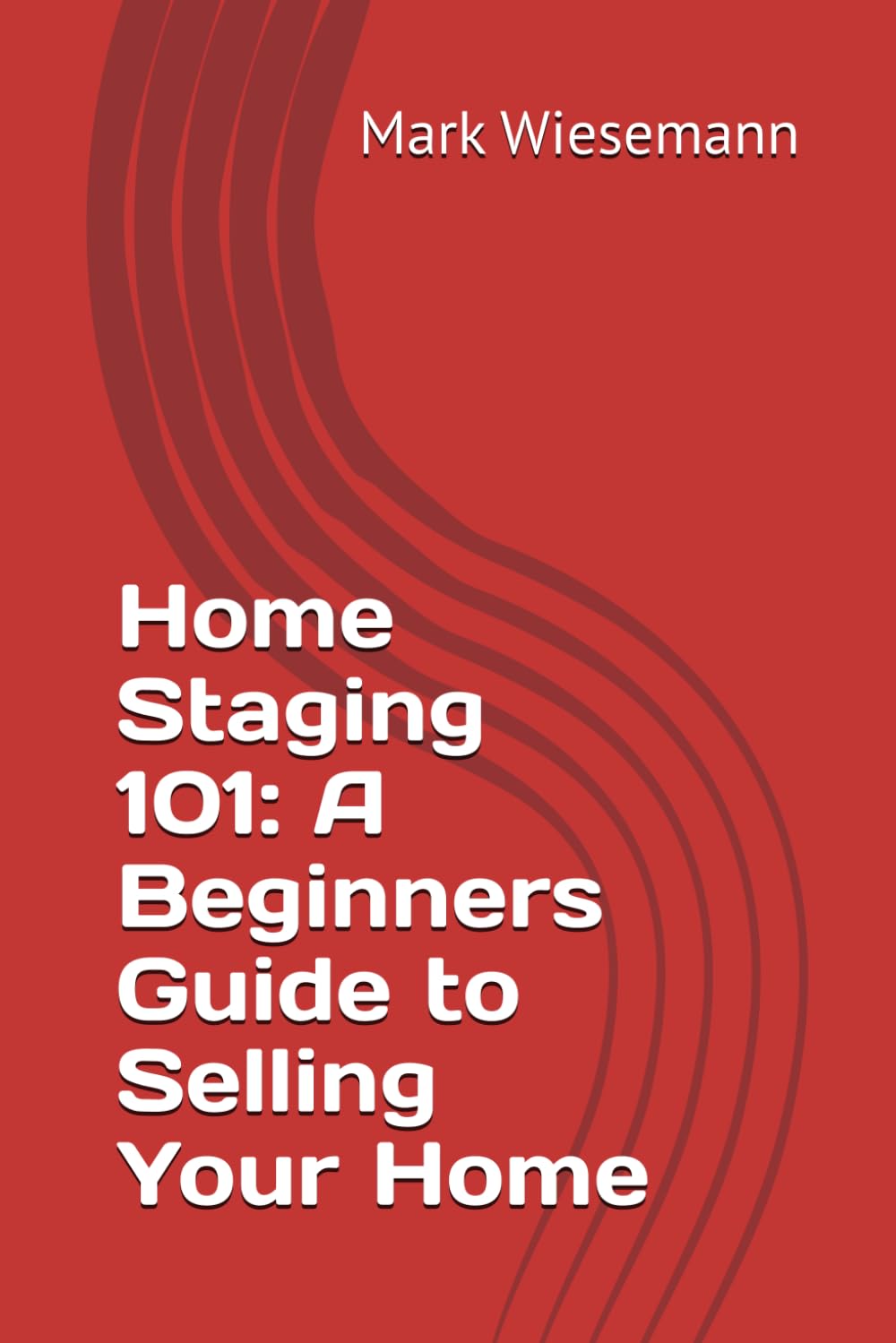
Cover of Home Staging 101: A Beginner’s Guide to Selling Your Home by Mark Wiesemann

A guide for home sellers · Blue Springs, Missouri

Home Staging 101

A Beginner’s Guide to Selling Your Home

Most of what decides a sale happens before the first showing. This book walks through it in order: what to clear out, what to fix, which rooms matter most, how to set up the outside and the entry, and how a staged home gets photographed, shown, and sold. Every chapter is published in full on this page.

amazonBuy the book on Amazon
  • 10chapters
  • 31topics
  • 6‑stepchecklist

The Book

A room‑by‑room plan for getting a house ready to sell

Home Staging 101 is a beginner’s guide for homeowners preparing to list. It starts with what staging is and the misconceptions that stop people from doing it, then moves through setting a budget, decluttering and depersonalizing, and the basic repairs buyers notice first.

From there it works room by room through the living room, kitchen, bedroom, and bathroom, then outside to the exterior, the landscaping, and the entryway. Later chapters cover furniture placement and lighting, when a professional stager is worth hiring and how to choose one, marketing a staged home with photography, showings, and online listings, and what happens once offers arrive.

The final chapters answer the questions sellers ask most, and close with a six‑step checklist you can work through one weekend at a time.

The six steps, from Chapter 10

  1. Declutter
  2. Clean
  3. Depersonalize
  4. Neutralize
  5. Update
  6. Stage

Staging is about highlighting your home’s best features and downplaying its flaws.

Mark Wiesemann, Home Staging 101

Chapters

All ten chapters, in full

Open any chapter to read it. The complete text is here, one chapter at a time.

What is Home Staging?

Home staging is the art of preparing a home for sale in order to appeal to a wide range of potential buyers. It involves making strategic decisions about how to present your home in the best possible light, with the goal of selling it quickly and for top dollar.

Home staging goes beyond simply cleaning and decluttering your home. It involves rearranging furniture, adding decorative touches, and making necessary repairs or updates to enhance the overall appeal of the property.

The goal is to create a welcoming and attractive space that will make potential buyers feel like they could see themselves living there. By staging your home, you are able to highlight its best features and downplay any potential flaws. This can help create a positive first impression for buyers, making them more likely to make an offer on your home. In fact, studies have shown that staged homes tend to sell faster and for a higher price than homes that are not staged.

Whether you choose to hire a professional stager or tackle the job yourself, there are a few key staging tips to keep in mind. Start by decluttering and depersonalizing your space to make it more appealing to a wide range of buyers.

Consider neutralizing paint colors and updating fixtures or finishes to create a more modern look. And don’t forget about curb appeal: the exterior of your home is the first thing buyers will see, so make sure it looks inviting and well‑maintained.

Overall, home staging is an important step in the selling process that can help you achieve your goal of selling your home quickly and for top dollar. By investing the time and effort into staging your home, you can make a positive impact on potential buyers and increase your chances of a successful sale.

The Benefits of Home Staging

Home staging is a crucial aspect of selling your home that should not be overlooked. In this subchapter, we will explore the numerous benefits of home staging and how it can help you attract potential buyers and maximize the sale price of your home.

One of the main benefits of home staging is that it helps showcase the full potential of your home to potential buyers. By decluttering, rearranging furniture, and adding decorative touches, you can create a space that is both inviting and visually appealing. This can help buyers envision themselves living in the home and make them more likely to make an offer.

Additionally, home staging can help your home stand out in a competitive real estate market. With so many homes available for sale, it’s important to make yours memorable and attractive to buyers. A professionally staged home can make a lasting impression on potential buyers and increase the likelihood of a quick sale.

Furthermore, home staging can also help you maximize the sale price of your home. Studies have shown that staged homes sell for a higher price than unstaged homes.

By investing in staging, you can potentially recoup the cost and then some through a higher sale price. Overall, home staging is a valuable tool for home sellers looking to make their property more appealing to buyers.

By taking the time to stage your home, you can increase the chances of a successful sale and maximize your return on investment.

Common Misconceptions about Home Staging

In the world of home staging, there are a lot of misconceptions that can trip up even the most experienced home owners. These misconceptions can lead to costly mistakes and missed opportunities when it comes to selling your home. In this subchapter, we will debunk some of the most common myths surrounding home staging and shed light on the truth behind these misconceptions.

One common misconception about home staging is that it’s only necessary for high‑end homes. The truth is that home staging can benefit any home, regardless of its size or price point. Staging can help make your home more appealing to potential buyers and increase the likelihood of a quick sale.

Another misconception is that home staging is expensive. While it’s true that hiring a professional home stager can be costly, there are plenty of budget‑friendly staging tips that home owners can use to make their home more marketable.

Simple changes like decluttering, cleaning, and rearranging furniture can go a long way in improving the look and feel of your home. Many home owners also believe that home staging is only about aesthetics.

While it’s true that staging focuses on making your home look its best, it’s also about creating a welcoming and inviting space that potential buyers can envision themselves living in. Staging is about highlighting your home’s best features and downplaying its flaws.

By understanding and debunking these common misconceptions about home staging, home owners can take the necessary steps to make their home more marketable and increase their chances of a successful sale. Home staging is a powerful tool that can make a big difference in the selling process, so it’s important to approach it with an open mind and a willingness to learn.

Setting a Budget for Staging

Setting a budget for staging your home is an important step in the selling process. By determining how much you are willing to spend on staging, you can ensure that you make the most of your investment and maximize the appeal of your home to potential buyers. Here are some tips for setting a budget for staging:

  1. Evaluate your current financial situation. Before you start setting a budget for staging, take a good look at your finances and determine how much you can realistically afford to spend on staging your home. Consider factors such as your savings, income, and any other expenses you may have.
  2. Research the costs of staging. It’s important to have a clear understanding of the costs associated with staging your home. This can include hiring a professional stager, purchasing new furniture or decor, and making any necessary repairs or updates to your home. Research the average costs of these services in your area to get an idea of how much you can expect to spend.
  3. Prioritize your staging needs. Once you have a budget in mind, prioritize your staging needs based on what will have the biggest impact on potential buyers. Focus on areas of your home that are most in need of improvement and allocate your budget accordingly.
  4. Get creative with your budget. If you’re working with a limited budget, don’t be afraid to get creative with your staging efforts. Consider DIY projects, shopping at thrift stores or online marketplaces for affordable decor, and utilizing items you already own to stage your home effectively.

Setting a budget for staging your home is an essential part of the selling process. By carefully evaluating your finances, researching costs, prioritizing your staging needs, and getting creative with your budget, you can make the most of your investment and increase the chances of selling your home quickly and for top dollar.

Decluttering and Depersonalizing Your Home

Decluttering and depersonalizing your home are essential steps in the home staging process when getting ready to sell your home. By removing personal items and excess clutter, you can create a neutral and inviting space that allows potential buyers to envision themselves living in the home.

Start by decluttering each room in your home. This means getting rid of any items that are not essential or that make the space feel crowded.

Consider donating, selling, or storing items that are not necessary for everyday use. Clearing out closets, cabinets, and storage spaces is also important, as buyers will be looking for ample storage space in a potential home.

Next, depersonalize your home by removing personal photographs, decorations, and items that reflect your personal taste. This allows buyers to focus on the features of the home rather than being distracted by personal belongings.

Neutralize the décor by using a neutral color palette and simple, modern furnishings to appeal to a wider range of potential buyers. By decluttering and depersonalizing your home, you can create a clean and welcoming space that will appeal to buyers.

Remember that first impressions are crucial when selling your home, so taking the time to stage your home properly can make a big difference in attracting potential buyers. Following these tips will help you showcase your home in the best possible light and increase your chances of selling quickly and at the best price possible.

Basic Repairs and Maintenance

When preparing your home for sale, it’s important to ensure that everything is in top condition. Basic repairs and maintenance can make a big difference in the overall appeal of your home to potential buyers. In this subchapter, we will cover some key areas to focus on when it comes to basic repairs and maintenance.

One of the first things to address is any visible damage or wear and tear. This can include things like chipped paint, scuffed floors, or leaky faucets. Taking the time to touch up paint, refinish floors, and fix any plumbing issues can go a long way in making your home look well‑maintained and move‑in ready.

Another important aspect of basic repairs and maintenance is ensuring that all major systems in your home are in good working order. This includes things like your HVAC system, plumbing, and electrical systems.

If any of these systems are not functioning properly, it can be a major red flag for potential buyers. Consider hiring a professional to inspect these systems and make any necessary repairs before putting your home on the market.

In addition to addressing visible damage and major systems, don’t forget about the little details. Simple tasks like replacing burnt‑out light bulbs, cleaning out gutters, and re‑caulking around tubs and sinks can make a big difference in the overall appearance of your home.

By taking the time to address basic repairs and maintenance, you can increase the appeal of your home to potential buyers and potentially increase your selling price. Remember, a well‑maintained home is a desirable home.

The Living Room

The living room is often considered the heart of the home, and when it comes to selling your house, it can make a big impact on potential buyers. This is why it’s important to pay special attention to staging your living room to make it as inviting and appealing as possible.

One of the first things to consider when staging your living room is decluttering. Remove any unnecessary items such as excess furniture, personal photos, and knick‑knacks. This will help create a more open and spacious feel, allowing potential buyers to envision themselves living in the space.

Next, consider the layout of your living room. Arrange furniture in a way that creates a natural flow and highlights the room’s best features. Make sure there is plenty of space for people to move around and that the focal point of the room, whether it’s a fireplace or a large window, is highlighted.

When it comes to decor, keep things neutral and inviting. Consider adding a fresh coat of paint in a light, neutral color, and incorporating pops of color through throw pillows, rugs, and artwork. Adding a few plants or fresh flowers can also help bring life to the space.

Finally, don’t forget about lighting. Make sure your living room is well‑lit, both with natural light and artificial lighting.

Consider adding floor lamps or table lamps to brighten up dark corners and create a warm, inviting atmosphere. By following these tips and paying special attention to staging your living room, you can help make a positive impression on potential buyers and increase the likelihood of selling your home quickly and for top dollar.

The Kitchen

The kitchen is often considered the heart of the home, and when it comes to selling your house, it can be a make‑or‑break space for potential buyers. This subchapter will guide you through how to effectively stage your kitchen to appeal to a wide range of buyers.

One of the most important things to remember when staging your kitchen is to declutter and depersonalize the space. Remove any unnecessary items from countertops, cabinets, and drawers to create a clean and organized look. This will not only make the kitchen appear larger but also allow potential buyers to envision themselves living in the space.

Next, focus on highlighting the key features of your kitchen. If you have updated appliances, granite countertops, or a spacious island, make sure to showcase these elements during showings.

Consider adding fresh flowers, a bowl of fruit, or a stylish tea towel to add a pop of color and warmth to the space. In addition to decluttering and highlighting key features, consider making small updates to give your kitchen a fresh and modern look. This could include painting cabinets, updating hardware, or replacing outdated light fixtures. These simple changes can make a big impact and increase the overall appeal of your kitchen.

Lastly, don’t forget about the importance of cleanliness. Make sure to thoroughly clean your kitchen before showings, paying special attention to appliances, countertops, and floors. A clean and inviting kitchen will leave a positive impression on potential buyers and make them more likely to consider your home.

By following these tips and tricks for staging your kitchen, you can create a space that will appeal to a wide range of buyers and help sell your home quickly and for top dollar.

The Master Bedroom

The master bedroom is often considered the most important room in a home when it comes to staging. As the place where homeowners retreat to relax and unwind, potential buyers are looking for a serene and inviting space that they can envision themselves living in.

When staging your master bedroom, it’s important to create a sense of luxury and comfort. Start by decluttering the space and removing any personal items such as photos or knick‑knacks. This will help potential buyers see the room as a blank canvas that they can make their own.

Invest in high‑quality bedding and linens to create a luxurious feel. Choose neutral colors and soft textures to create a calming atmosphere. Adding throw pillows and a cozy throw blanket can help create a sense of warmth and comfort.

Pay attention to the lighting in the room. Make sure that there is plenty of natural light coming in, and consider adding bedside lamps or a statement light fixture to create a cozy ambiance.

Finally, don’t forget about the details. Consider adding fresh flowers or greenery to add a pop of color and life to the room. Make sure that the room is clean and well‑maintained, with no visible signs of wear and tear.

By following these tips, you can create a master bedroom that will appeal to potential buyers and help you sell your home quickly and for top dollar. Remember, staging is all about creating a space that allows buyers to see themselves living in your home, so make sure to make the master bedroom a priority in your staging efforts.

The Bathroom

The bathroom is one of the most important rooms in your home when it comes to staging for potential buyers. It is a space that is used daily and can make a big impression on buyers. Here are some tips to help you stage your bathroom effectively:

  1. Clean and Declutter. The first step in staging your bathroom is to thoroughly clean and declutter the space. Remove any personal items such as toothbrushes, toiletries, and towels. Make sure all surfaces are clean and free of any mold or mildew.
  2. Update Fixtures. If your fixtures are outdated, consider updating them with more modern options. This can include replacing faucets, showerheads, and cabinet hardware. These small changes can make a big impact on the overall look of your bathroom.
  3. Add Fresh Linens. Invest in some new towels and bath mats to give your bathroom a fresh and inviting feel. Choose neutral colors to appeal to a wide range of buyers. White is always a good choice.
  4. Incorporate Greenery. Adding some plants or flowers to your bathroom can help bring life to the space. Consider placing a small potted plant on the vanity or a vase of flowers on the countertop.
  5. Create a Spa‑Like Atmosphere. To create a relaxing and luxurious feel in your bathroom, consider adding some spa‑like elements. This can include candles, a tray of bath salts, or a plush robe hanging on the back of the door.

By following these tips, you can help make your bathroom a selling point for potential buyers. A clean, organized, and inviting bathroom can make a big difference in how your home is perceived.

Remember, staging is all about creating a space that appeals to buyers and helps them envision themselves living in your home.

Improving Your Home’s Exterior

The exterior of your home is the first thing potential buyers will see, so it’s crucial to make a great first impression. In this chapter, we will discuss some simple yet effective ways to enhance your home’s curb appeal and increase its value.

One of the easiest ways to improve your home’s exterior is by giving it a fresh coat of paint. Choose a neutral color that will appeal to a wide range of buyers and make sure to touch up any areas that are chipped or faded.

You can also consider updating your front door with a new coat of paint or a stylish new handle and knocker. Landscaping is another important aspect of your home’s exterior. Make sure your lawn is well‑maintained, with regular mowing and watering.

Planting some colorful flowers or shrubs can also add a pop of color and make your home look more inviting. Consider adding some outdoor lighting to highlight your landscaping and make your home look more welcoming in the evening.

If your budget allows, consider making some more substantial improvements to your home’s exterior. Installing a new roof, updating your windows, or adding a new garage door can all increase your home’s value and appeal to potential buyers.

Remember, the goal of improving your home’s exterior is to make it look well‑maintained and inviting. By following these tips, you can create a welcoming first impression that will help your home stand out in a competitive market.

Landscaping Tips

When it comes to selling your home, first impressions matter. That’s why it’s important to pay attention to your landscaping. The exterior of your home is the first thing potential buyers will see, so you want to make sure it looks inviting and well‑maintained.

One of the simplest landscaping tips is to keep your lawn mowed and edged. A neatly trimmed lawn can make a big difference in the overall appearance of your home.

In addition to keeping your lawn looking tidy, you should also make sure to trim any overgrown bushes or trees. This will help to make your yard look more spacious and well‑kept.

Another important landscaping tip is to add some color to your yard. Planting flowers or adding potted plants can help to brighten up your outdoor space and make it more inviting.

Consider choosing flowers that are in season and complement the color scheme of your home. In addition to adding color, you should also make sure to clean up any debris in your yard.

This includes removing any dead plants, leaves, or branches. A clean yard will make your home look well‑maintained and cared for.

If you have a patio or deck, consider adding some outdoor furniture to create a cozy outdoor space. This can help potential buyers envision themselves enjoying the outdoor area of your home.

By following these landscaping tips, you can help to make your home more appealing to potential buyers. Remember, the exterior of your home is the first thing they will see, so make sure it looks its best.

Creating an Inviting Entryway

Creating an inviting entryway is crucial when it comes to staging your home for potential buyers. The entryway is the first thing they see when they walk through the door, so it sets the tone for the rest of the house. Here are some tips to help you create a welcoming entryway that will make a great first impression.

First, declutter the space. Remove any unnecessary items such as shoes, coats, and mail. Keep the area clean and clutter‑free to make it feel more spacious and inviting.

Consider adding a small table or bench where guests can set down their belongings. Next, consider adding some personal touches to the entryway. A mirror can help make the space feel larger and brighter, while a piece of art or a decorative vase can add a pop of color and personality. Adding a rug or a plant can also help make the space feel more inviting.

Lastly, make sure the entryway is well‑lit. A bright, well‑lit space will feel more welcoming and inviting to potential buyers.

Consider adding a statement light fixture or table lamp to brighten up the space. By following these tips, you can create an inviting entryway that will make a great first impression on potential buyers.

Remember, the goal is to make them feel welcome and excited to see the rest of the house. With a little effort and creativity, you can create a space that will help sell your home quickly and for top dollar.

Furniture Arrangement and Placement

One of the key elements of successfully staging your home for sale is getting the furniture arrangement and placement just right. The way your furniture is positioned can greatly impact the overall feel and flow of a room, as well as the perceived size and functionality of the space. Here are some tips to help you make the most of your furniture arrangement:

  1. Start with a clean slate. Before you begin rearranging your furniture, it’s important to start with a clean slate. This means clearing out any clutter or unnecessary items from the room, so you can see the space more clearly and make better decisions about furniture placement.
  2. Consider the focal point. Every room should have a focal point, whether it’s a fireplace, a large window, or a piece of artwork. When arranging your furniture, make sure to position it in a way that highlights the focal point and draws the eye towards it.
  3. Create conversation areas. In living rooms and other communal spaces, it’s important to create cozy conversation areas where people can comfortably gather and chat. This can be achieved by arranging furniture in a way that encourages face‑to‑face interaction, such as placing chairs and sofas in a circular or semi‑circular formation.
  4. Keep pathways clear. When arranging furniture, make sure to leave enough space for people to move freely around the room. This means keeping pathways clear and avoiding blocking doorways or other entry points.
  5. Use furniture to define spaces. In open‑concept living areas, furniture can be used to define different zones or areas within a room. For example, a sofa or bookshelf can be used to separate the living room from the dining area, creating a sense of division and purpose.

By following these tips and carefully considering the placement of your furniture, you can create a welcoming and inviting atmosphere that will appeal to potential buyers and help you sell your home faster. Remember, the goal is to showcase the potential of your space and help buyers envision themselves living there, so take the time to get the furniture arrangement just right.

Lighting and Accessories

When it comes to staging your home for potential buyers, lighting and accessories play a crucial role in creating a welcoming and inviting atmosphere. The right lighting can make a room feel larger and more inviting, while carefully chosen accessories can add personality and charm to any space.

One of the first things to consider when staging your home is the lighting. Natural light is always the best option, so be sure to open up curtains and blinds to let in as much light as possible.

If natural light is lacking, consider adding additional lighting fixtures such as floor lamps, table lamps, or overhead lights. Make sure to choose bulbs that emit a warm, inviting light to make the space feel cozy and inviting.

When it comes to accessories, less is often more. Choose a few carefully curated pieces that add personality and charm to each room.

Consider adding throw pillows and blankets to the living room, fresh flowers or plants to the kitchen or dining room, and a few well‑placed pieces of art or decorative objects throughout the home. When selecting accessories, be sure to choose items that are neutral in color and style to appeal to a wide range of potential buyers. Avoid overly personal or cluttered items that could distract buyers from seeing the potential of the space.

By paying attention to the lighting and accessories in your home, you can create a warm and inviting atmosphere that will appeal to potential buyers and help your home stand out from the competition. Remember, the goal of staging is to showcase your home in the best possible light and help buyers envision themselves living there. With the right lighting and accessories, you can create a space that feels welcoming and inviting, making it easier to sell your home quickly and for top dollar.

Adding Personal Touches

In the world of home staging, adding personal touches can make all the difference in creating a warm and inviting space that potential buyers will fall in love with. While it’s important to declutter and depersonalize your home when preparing it for sale, incorporating a few personal touches can help potential buyers envision themselves living in the space.

One simple way to add a personal touch is through the use of family photos. While you don’t want to overwhelm potential buyers with too many personal photos, strategically placing a few family photos can help create a sense of warmth and connection in the space.

Consider displaying a few framed photos on a mantel or bookshelf, or create a gallery wall of family photos in a hallway. Another way to add a personal touch is through the use of decorative accents and accessories.

Consider incorporating items that reflect your personal style and interests, such as colorful throw pillows, unique artwork, or decorative vases. These small touches can help make your home feel more inviting and lived‑in, without overwhelming potential buyers with too much clutter.

When adding personal touches, it’s important to strike a balance between creating a warm and inviting space and keeping the focus on the potential buyer. Avoid using too many personal items or overly personal decor, as this can make it difficult for potential buyers to envision themselves living in the space. Instead, focus on incorporating a few subtle personal touches that enhance the overall look and feel of your home.

By adding personal touches to your staged home, you can help create a welcoming and inviting space that will appeal to potential buyers and make them feel right at home. Remember to keep it simple and subtle, and focus on creating a space that is appealing to a wide range of tastes and preferences.

When to Hire a Professional

As a home owner looking to sell your property, you may be wondering if you should tackle the home staging process on your own or hire a professional. While DIY home staging can be a cost‑effective option, there are certain situations where hiring a professional may be the better choice.

One key factor to consider is your level of expertise in home staging. If you have a good eye for design and a knack for decorating, you may be able to successfully stage your home on your own.

However, if you lack experience in home staging or simply don’t have the time to dedicate to the process, hiring a professional can save you a lot of stress and ensure that your home looks its best for potential buyers. Another reason to hire a professional is if you are struggling to sell your home. A professional home stager can offer valuable insights on how to make your property more appealing to buyers and increase your chances of making a sale. They can also provide expert advice on which areas of your home to focus on and how to maximize your home’s potential.

Additionally, if you are selling a high‑end property or competing with other homes in a competitive market, hiring a professional home stager can give you a competitive edge. A professional stager can help your home stand out from the competition and attract more potential buyers.

Ultimately, the decision to hire a professional home stager will depend on your individual circumstances and budget. If you are unsure whether to hire a professional, consider scheduling a consultation with a few different stagers to get a better sense of their services and fees.

By weighing the pros and cons of hiring a professional, you can make an informed decision that will help you sell your home quickly and for top dollar.

Finding the Right Stager for Your Home

When it comes to selling your home, first impressions matter. That’s where home staging comes in. Home staging is the art of preparing a home for sale by strategically arranging furniture, decor, and other elements to showcase the property’s best features and appeal to potential buyers. But finding the right stager for your home can be a daunting task. Here are some tips to help you find the perfect fit.

First, do your research. Look for stagers in your area and read reviews from past clients. Ask for recommendations from friends, family, or your real estate agent. Look at the stager’s portfolio to get a sense of their style and the quality of their work.

Next, consider your budget. Home staging can range from a few hundred to several thousand dollars, depending on the size of your home and the level of service you require. Make sure to get quotes from multiple stagers and compare prices to find one that fits within your budget.

It’s also important to find a stager who understands your needs and vision for the home. Schedule a consultation with potential stagers to discuss your goals for selling the home and see if their ideas align with yours.

Communication is key in the staging process, so make sure you feel comfortable working with the stager you choose. Finally, trust your instincts.

If something doesn’t feel right or if you’re not happy with a stager’s ideas, don’t be afraid to look for someone else. Selling your home is a big decision, and you want to work with someone who will help you achieve your goals.

By following these tips, you can find the right stager for your home and make the selling process as smooth and successful as possible.

Communication and Collaboration with Your Stager

Communication and collaboration with your stager is essential for ensuring a successful home staging process. Your stager is there to help you showcase your home in the best possible light to attract potential buyers.

By working closely with your stager, you can ensure that your home is presented in a way that will appeal to a wide range of buyers. One of the first steps in working with your stager is to clearly communicate your goals and expectations. Let your stager know what your timeline is for selling your home, as well as any specific concerns or areas of the home that you feel need special attention. Be open to feedback from your stager and be willing to make changes to your home based on their recommendations.

Collaboration is key when working with your stager. Be open to their ideas and suggestions, and work together to come up with a staging plan that will make your home stand out in the real estate market. Your stager may recommend decluttering, rearranging furniture, or making small repairs or updates to your home.

By working together, you can create a cohesive and inviting space that will appeal to potential buyers. Regular communication with your stager is also important throughout the staging process. Keep them updated on any changes or developments with your home, and be sure to ask questions or voice any concerns you may have. Your stager is there to support you and help you achieve your goal of selling your home quickly and for the best possible price.

By communicating openly and collaborating closely with your stager, you can ensure that your home staging process is a success. With their expertise and your cooperation, you can create a welcoming and attractive space that will appeal to buyers and help you sell your home quickly and for top dollar.

Professional Photography and Virtual Tours

In today’s competitive real estate market, professional photography and virtual tours have become essential tools for selling your home quickly and for top dollar. As a home owner looking to stage your home for sale, investing in high‑quality photography and virtual tours can make all the difference in attracting potential buyers.

Professional photography is a must‑have when it comes to showcasing your home in its best light. A skilled photographer will know how to capture the unique features of your home, from the natural light streaming through the windows to the intricate details of your decor.

These photos will serve as the first impression for potential buyers, so it’s important to make sure they are top‑notch. Virtual tours take the viewing experience to the next level by allowing potential buyers to explore your home from the comfort of their own computer or mobile device.

With a virtual tour, buyers can get a sense of the flow and layout of your home, giving them a better understanding of the space before they even step foot inside. This can help weed out less serious buyers and attract those who are truly interested in your property.

When it comes to staging your home for sale, professional photography and virtual tours are non‑negotiable. They are powerful marketing tools that can set your listing apart from the competition and attract more potential buyers.

By investing in these services, you are not only showcasing your home in the best possible light, but also demonstrating your commitment to selling your home quickly and for the best possible price.

Open Houses and Showings

Open houses and showings are crucial aspects of selling your home, as they give potential buyers the opportunity to see your property in person and imagine themselves living there. As a home owner looking to sell your property, it is important to make sure that your home is staged effectively to make a positive impression on visitors.

When preparing for an open house or showing, it is important to first declutter and clean your home thoroughly. This will help create a clean and welcoming environment that will appeal to potential buyers.

Consider removing personal items such as family photos and excess furniture to allow visitors to envision themselves living in the space. Next, focus on highlighting the best features of your home. This could include showcasing a beautiful fireplace, highlighting natural light with strategically placed mirrors, or drawing attention to a stunning view.

By emphasizing these features, you can help buyers see the potential in your property and make a lasting impression. During open houses and showings, it is important to create a warm and inviting atmosphere.

Consider adding fresh flowers, lighting scented candles, and playing soft music to create a relaxing environment for visitors. Additionally, be sure to provide informational materials such as brochures or flyers that highlight the key selling points of your home.

Overall, open houses and showings are important opportunities to showcase your home to potential buyers. By following these staging tips and creating a welcoming atmosphere, you can increase the chances of selling your home quickly and for top dollar.

Utilizing Social Media and Online Listings

In today’s digital age, utilizing social media and online listings is essential when it comes to selling your home. With the majority of buyers starting their search for a new home online, having a strong online presence can make all the difference in attracting potential buyers.

One of the first steps in utilizing social media is to create a dedicated page for your home sale. This can be done on platforms such as Facebook, Instagram, or Twitter.

Share photos of your staged home, highlight its best features, and provide information about the neighborhood and local amenities. Encourage friends and family to share your posts to reach a wider audience.

In addition to social media, online listings are a crucial tool for selling your home. Make sure to list your home on popular real estate websites such as Zillow, Realtor.com, and Trulia. Include high‑quality photos, a detailed description of the property, and highlight any recent updates or renovations.

Another way to utilize social media and online listings is to create virtual tours or video walkthroughs of your staged home. This allows potential buyers to get a feel for the layout and flow of the home without having to physically visit the property.

Virtual tours can be shared on social media and included in online listings to attract more attention to your home. By effectively utilizing social media and online listings, you can increase the visibility of your staged home and attract more potential buyers.

In today’s competitive real estate market, having a strong online presence can give you the edge you need to sell your home quickly and for top dollar.

Negotiating Offers

Negotiating offers is a crucial step in the process of selling your home. Once you have successfully staged your home to appeal to potential buyers, it’s important to be prepared for the next phase: receiving and negotiating offers.

When you receive an offer on your home, it’s important to carefully review all the terms and conditions outlined in the offer. This includes the price offered, any contingencies, the closing date, and any other terms that may be included. It’s important to consider not only the price offered, but also the overall terms of the offer to determine if it meets your needs and expectations.

Once you have reviewed the offer, you may choose to accept it, reject it, or counteroffer. When negotiating offers, it’s important to keep in mind your bottom line and be prepared to walk away if the terms are not satisfactory.

It’s also important to remain open to negotiations and be willing to compromise in order to reach a mutually beneficial agreement. If you receive multiple offers on your home, it’s important to carefully consider each offer and determine which one is the best fit for your needs. You may choose to negotiate with multiple buyers to see if you can secure a better offer, or you may choose to accept the offer that best meets your needs.

Overall, negotiating offers can be a challenging but rewarding process. By carefully reviewing each offer and being prepared to negotiate, you can increase your chances of selling your home for the best possible price.

Tips for a Smooth Closing Process

As you reach the final stages of selling your home, the closing process can often feel overwhelming. However, with the right tips and strategies in place, you can ensure a smooth and successful closing. Here are some key tips to help guide you through this crucial phase:

  1. Stay organized. Throughout the closing process, it’s essential to stay organized and keep all important documents in one place. This includes your purchase agreement, inspection reports, and any other relevant paperwork. Having everything easily accessible will help streamline the closing process.
  2. Communicate effectively. Clear communication with your real estate agent, buyers, and any other parties involved in the closing process is key. Make sure to respond promptly to any requests or inquiries and keep all parties informed of any updates or changes.
  3. Be prepared for closing costs. Closing costs can add up quickly, so it’s important to be prepared for these expenses. Make sure to budget for closing costs ahead of time and have the necessary funds set aside.
  4. Review all closing documents carefully. Before signing any closing documents, take the time to review them carefully. Make sure you understand all terms and conditions, and don’t hesitate to ask questions if anything is unclear.
  5. Plan ahead for moving day. As the closing date approaches, start planning for moving day. Arrange for movers, pack up your belongings, and make any necessary arrangements for your new living situation.

By following these tips for a smooth closing process, you can ensure a successful and stress‑free experience as you sell your home. Remember to stay organized, communicate effectively, budget for closing costs, review all documents carefully, and plan ahead for moving day. With these strategies in place, you’ll be well‑prepared for a successful closing process.

Celebrating Your Successful Sale

Congratulations! You have successfully sold your home, and now it’s time to celebrate all of your hard work paying off.

Selling a home can be a stressful and overwhelming process, but with the right guidance and home staging tips, you were able to attract the perfect buyer and close the deal. As a home owner, selling your home can be an emotional journey. You have created memories in your home, and saying goodbye can be bittersweet. However, it’s important to focus on the positive aspects of selling your home, such as moving on to a new chapter in your life and the potential for new opportunities.

One way to celebrate your successful sale is by treating yourself to something special. Whether it’s a relaxing spa day, a weekend getaway, or a nice dinner out, take the time to reward yourself for all of your hard work throughout the selling process. You deserve it!

Another way to celebrate is by hosting a small gathering with friends and family. Share the good news of your successful sale and toast to your new beginnings. It’s a great way to thank those who supported you along the way and to celebrate your accomplishment together.

Remember, selling your home is a major achievement, and you should be proud of yourself for navigating the process with grace and determination. Take the time to celebrate and reflect on all that you have accomplished, and get ready for the exciting journey ahead in your new home. Cheers to you and your successful sale!

Do I Need to Stage Every Room in My Home?

As a home owner looking to sell your property, you may be wondering if it is necessary to stage every room in your home. The short answer is no, you do not necessarily need to stage every room in your home. However, it is important to focus on staging the key rooms that will have the biggest impact on potential buyers.

One of the most important rooms to stage is the living room. This is often the first room that potential buyers will see when they walk into your home, so it is important to make a good impression. Make sure the living room is clean, clutter‑free, and inviting.

Consider adding some decorative pillows, a cozy throw blanket, and some fresh flowers to make the space feel warm and welcoming. Another important room to stage is the kitchen. This is often considered the heart of the home, so it is important to make sure it looks its best. Make sure the countertops are clean and clutter‑free, and consider adding some fresh fruit or a small potted plant to add a pop of color.

While you may not need to stage every room in your home, it is important to focus on the key rooms that will have the biggest impact on potential buyers. By staging these rooms effectively, you can help to create a welcoming and inviting space that will appeal to a wide range of buyers.

Can I Stage My Home on a Tight Budget?

Home staging is a crucial step when selling your home, as it can make a significant difference in attracting potential buyers and getting a higher selling price. However, many home owners may be hesitant to stage their homes due to the perceived high cost associated with it.

The good news is that staging your home doesn’t have to break the bank. With some creativity and resourcefulness, you can effectively stage your home on a tight budget.

One cost‑effective way to stage your home is to declutter and depersonalize. This involves removing personal items, excess furniture, and clutter to make your home appear more spacious and inviting to potential buyers.

You can also rearrange your furniture to create better flow and highlight the best features of each room. Another budget‑friendly staging tip is to give your home a fresh coat of paint. A neutral color palette can help potential buyers envision themselves living in the space and can make your home feel more modern and well‑maintained.

Additionally, adding some fresh flowers or plants can bring life and color to your home without breaking the bank. If you have a little extra room in your budget, consider investing in some key staging items such as new throw pillows, rugs, or artwork to add a pop of color and style to your home.

You can also consider renting furniture or accessories if needed to complete the look. In conclusion, staging your home on a tight budget is definitely possible with some creativity and strategic planning.

By following these budget‑friendly tips, you can make your home more appealing to potential buyers and increase your chances of selling quickly and for a higher price.

How Far in Advance Should I Start Staging Before Listing My Home?

When it comes to selling your home, staging can make a huge difference in attracting potential buyers and getting top dollar for your property. One of the most common questions homeowners have is how far in advance they should start staging before listing their home.

The answer? It depends.

Ideally, you should start thinking about staging your home as soon as you decide to sell. This will give you plenty of time to declutter, clean, and make any necessary repairs or updates before your home hits the market. However, if you’re short on time, don’t worry, even a few weeks of staging can make a big impact.

If your home is already in good condition, you may only need a week or two to stage it properly. This could involve rearranging furniture, adding some fresh paint, and making sure everything is clean and clutter‑free.

On the other hand, if your home needs more work, you may want to give yourself a month or more to get everything in order. Remember, the goal of staging is to make your home look inviting and appealing to potential buyers. This means depersonalizing the space, neutralizing any bold colors, and maximizing natural light.

It’s also important to create a sense of flow and cohesion throughout the home, so buyers can easily imagine themselves living there. In the end, the timeline for staging your home will depend on your specific situation and how much work your home needs. Just remember that the more time and effort you put into staging, the better your chances of selling quickly and for a great price.

Recommended Books and Websites

As a home owner looking to sell your property, it’s important to arm yourself with the knowledge and resources needed to successfully stage your home for sale. In this subchapter, we will provide you with a list of recommended websites that offer valuable tips and insights on the art of home staging.

  1. Houzz.com. This popular website offers a wealth of inspiration and ideas for home staging. From before and after photos to expert advice, Houzz.com is a valuable resource for anyone looking to spruce up their home for sale.
  2. Realtor.com. This website not only provides listings of homes for sale, but also offers valuable tips and advice on preparing your home for the market. From staging tips to pricing strategies, Realtor.com is a one‑stop shop for all your home selling needs.

By utilizing the resources provided in this subchapter, you will be well‑equipped to stage your home effectively and attract potential buyers. Remember, presentation is key when it comes to selling your home, so take the time to invest in the staging process for a successful sale.

Home Staging Checklist

When it comes to selling your home, first impressions are everything. That’s where home staging comes in. Home staging is the process of preparing your home for sale in order to appeal to potential buyers and make it more attractive on the market. To help you get started, here is a home staging checklist to guide you through the process.

  1. Declutter. Remove any personal items, excess furniture, and clutter from your home. This will make the space appear larger and more inviting to potential buyers.
  2. Clean. Give your home a thorough cleaning, paying special attention to high‑traffic areas such as the kitchen and bathrooms. A clean home will leave a positive impression on buyers.
  3. Depersonalize. Remove personal photos, knick‑knacks, and other personal items from your home. This will allow potential buyers to envision themselves living in the space.
  4. Neutralize. Paint walls in neutral colors and remove any bold or outdated decor. Neutral colors will appeal to a wider range of buyers and make your home feel more modern.
  5. Update. Make any necessary updates or repairs to your home, such as fixing leaky faucets, replacing outdated light fixtures, or updating kitchen appliances. These small changes can make a big difference in the overall appeal of your home.
  6. Stage. Finally, stage your home to showcase its best features. This may include rearranging furniture, adding fresh flowers, or setting the table for a dinner party. The goal is to create a warm and welcoming environment that will make buyers feel at home.

By following this home staging checklist, you can increase the appeal of your home and attract more potential buyers. Remember, first impressions are key when selling your home, so take the time to stage your home properly and make it stand out on the market.

Professional Staging Services in Your Area

If you’re looking to sell your home quickly and for top dollar, professional staging services in your area may be the key to success. Home staging is the process of preparing your home for sale by making it more appealing to potential buyers. Professional stagers have the knowledge and expertise to transform your home into a showpiece that will attract buyers and help you secure a higher selling price.

One of the main benefits of hiring a professional staging service is that they can help you highlight your home’s best features and downplay any flaws. They will work with you to declutter, depersonalize, and rearrange your furniture to create a welcoming and inviting space that will appeal to a wide range of buyers.

By showcasing your home in its best light, you’ll increase the likelihood of receiving multiple offers and selling your home quickly. In addition to creating a visually appealing space, professional stagers also have access to a wide range of furniture, accessories, and decor items that can help elevate the look of your home. They will work with you to select the right pieces that will complement your home’s style and appeal to potential buyers.

By investing in professional staging services, you can make your home stand out in a competitive market and attract more interest from prospective buyers. If you’re considering selling your home, don’t underestimate the power of professional staging services.

By working with a professional stager in your area, you can increase your home’s appeal, attract more buyers, and ultimately sell your home for a higher price. With their expertise and guidance, you’ll be well on your way to a successful home sale.

Thanks for reading. If you have questions, please reach out.

About the Author

Mark Wiesemann, REALTOR® with RE/MAX Heritage

Mark Wiesemann, REALTOR®

Mark Wiesemann is a REALTOR® with RE/MAX Heritage, working from the office at 1900 NW South Outer Rd in Blue Springs, Missouri. He has been licensed in Missouri and Kansas since 2014 and has closed more than 425 transactions across Lee’s Summit, Blue Springs, Grain Valley, Independence, and Pleasant Hill.

Before real estate, Mark spent twenty‑nine years in law enforcement.

He is a member of the RE/MAX Hall of Fame and a recipient of the RE/MAX Lifetime Achievement Award. Outside of work he is a longtime Special Olympics Missouri volunteer who chaired a Polar Plunge fundraising committee for eight years, and a portion of his commission on every transaction goes to Children’s Miracle Network.

Home Staging 101 is his plain‑language guide to the preparation that happens before a listing goes live.

  • Licensed since 2014
  • Missouri #2014008883
  • Kansas #00235227
  • 425+ transactions
  • RE/MAX Hall of Fame

More From Mark

Two more guides from Mark Wiesemann

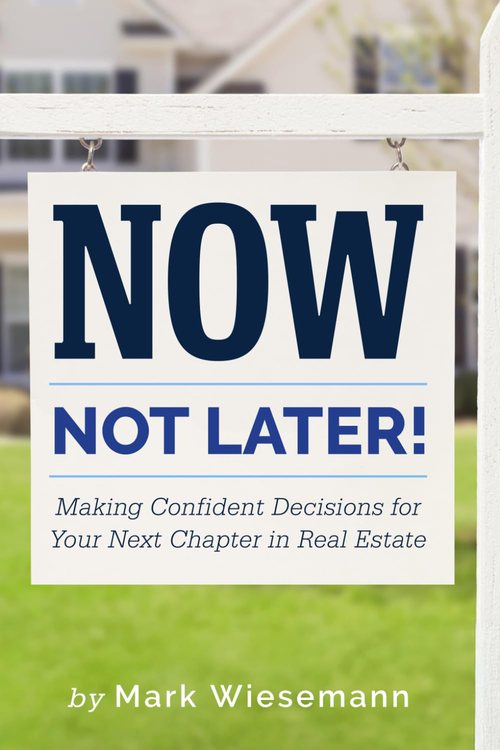
Cover of Now, Not Later! by Mark Wiesemann

For buyers

Now, Not Later!

Making Confident Decisions for Your Next Chapter in Real Estate. Two guides in one, for homeowners planning a move and renters ready to buy.

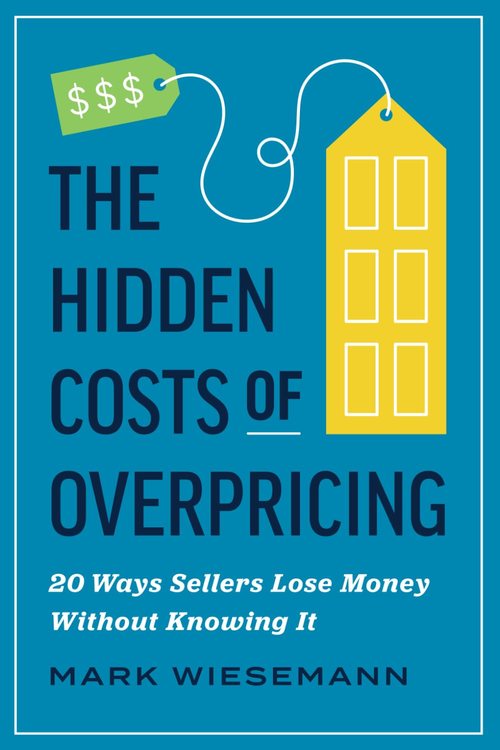
Cover of The Hidden Costs of Overpricing by Mark Wiesemann

For sellers

The Hidden Costs of Overpricing

20 Ways Sellers Lose Money Without Knowing It. The pricing companion to this book.

Mark Wiesemann Authority Center Enter the Authority Center for every area guide, book, and resource in one place

Questions

About the book and staging

What is Home Staging 101 about?

Home Staging 101: A Beginner’s Guide to Selling Your Home is a ten‑chapter guide for homeowners getting a house ready to list. It covers what staging is, how to budget for it, decluttering and basic repairs, the key rooms, curb appeal, furniture and lighting, working with a professional stager, marketing a staged home, and closing the sale, and it ends with a six‑step staging checklist.

Who wrote Home Staging 101?

Mark Wiesemann, REALTOR® with RE/MAX Heritage in Blue Springs, Missouri. He has been licensed in Missouri and Kansas since 2014 and has closed more than 425 transactions across the eastern Kansas City metro.

Do I need to stage every room in my home?

No. The book recommends focusing on the rooms that have the biggest impact on buyers, especially the living room and the kitchen. Make them clean, clutter‑free, and inviting before spending time on secondary spaces.

Can I stage my home on a tight budget?

Yes. The lowest‑cost steps are decluttering, depersonalizing, rearranging furniture for better flow, and a fresh coat of neutral paint. Fresh flowers or plants add color for very little, and renting furniture or accessories can fill gaps without buying new.

How far in advance should I start staging before listing?

Ideally as soon as you decide to sell. A home already in good condition may only need a week or two. A home that needs repairs or updates may need a month or more to get everything in order.

Where can I buy Home Staging 101?

Home Staging 101 is available on Amazon in paperback and as a Kindle ebook.

How can I reach Mark Wiesemann?

Call or text Mark at 816‑914‑2845, or email . His office is at RE/MAX Heritage, 1900 NW South Outer Rd, Blue Springs, MO 64015.

Contact

Getting ready to sell?

If you are selling in Blue Springs, Lee’s Summit, Grain Valley, Independence, or Pleasant Hill, Mark can look at your house with you and tell you which of these steps matter for your listing.

Call or text816‑914‑2845
Email
Search listingsmarkwiesemann.rmxheritage.com
✓ Copied to Clipboard